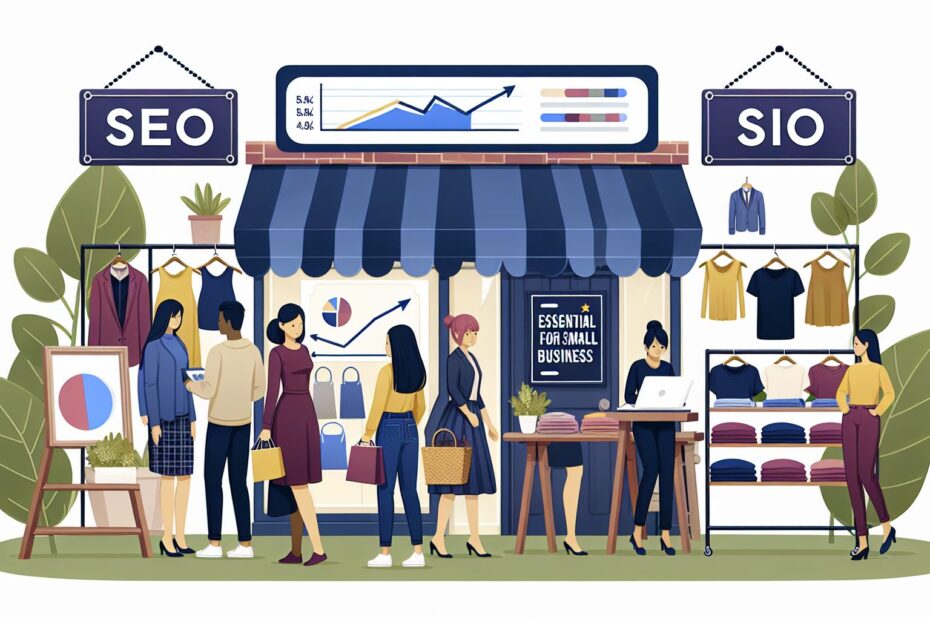
As a small business owner, you understand the importance of marketing your products or services to reach a wider audience. In today’s digital age, having a strong online presence is vital, and search engine optimization (SEO) plays a crucial role in achieving that. By optimizing your website for search engines, you can significantly improve your visibility, attract more potential customers, and ultimately grow your business. In this article, we will explore why SEO is essential for small business owners and how you can implement it to maximize your online success.
Understanding SEO Basics
Before diving into the nitty-gritty, let’s start with a brief explanation of SEO. Search engine optimization refers to the process of optimizing your website’s content and structure to rank higher in search engine results pages (SERPs). When someone searches for a keyword related to your business, you want your website to appear on the first page as higher rankings lead to more organic traffic.
Increasing Online Visibility
With the majority of consumers relying on search engines to find information, products, and services, the higher your website ranks, the more visible it becomes. When your website appears on the first page of search results, it instills trust and credibility in your potential customers. They are more likely to perceive your business as reputable and trustworthy.
Driving Targeted Traffic
One of the most significant benefits of SEO is its ability to drive highly targeted traffic to your website. By optimizing your site for specific keywords, you attract users who are actively searching for what your business offers. As a small business owner, this means you can focus your efforts on reaching people who are already interested in your products or services, increasing your chances of converting them into paying customers.
Cost-Effectiveness
Compared to traditional marketing strategies, SEO provides a cost-effective solution for small businesses. While it requires an initial investment of time and resources, the long-term benefits outweigh the costs. SEO is an inbound marketing strategy, meaning you are targeting users who are already searching for businesses like yours. In contrast, traditional outbound marketing relies on reaching out to a broader audience, many of whom may have no interest or need for your offerings.
Building Brand Awareness
Small businesses often struggle with brand recognition, especially in competitive markets. SEO can help you build brand awareness by ensuring your website appears when users search for relevant keywords. The more your website appears on SERPs, the more exposure and visibility your brand receives. Over time, this exposure helps familiarize potential customers with your business, leading to improved brand recognition and trust.
Gaining a Competitive Edge
In today’s saturated online marketplace, it’s essential to stand out from your competition. Investing in SEO strategies gives you a competitive edge by helping you outrank your competitors in search results. By appearing higher on relevant searches, potential customers are more likely to click on your website, giving you an opportunity to showcase your products or services before they even consider your competition.
Implementing SEO Strategies
Now that you understand the importance of SEO for small businesses, let’s explore a few strategies you can implement to improve your website’s visibility.
Research Relevant Keywords
Conduct thorough keyword research to identify the terms and phrases potential customers are using to search for businesses like yours. These keywords should align with your business and target audience. Include these keywords naturally in your website’s content, headings, and meta tags.
Optimize On-Page Elements
Ensure your website is structured in a way that search engines can easily understand its content. This includes optimizing title tags, meta descriptions, headings, and URLs to include relevant keywords. Additionally, focus on creating high-quality, original content that provides value to your audience and incorporates your targeted keywords.
Secure High-Quality Backlinks
Backlinks, or links from other websites to yours, are an essential aspect of SEO. They act as a vote of confidence in the credibility and authority of your website. Reach out to other relevant websites or industry influencers and establish relationships that can lead to valuable backlinks. Additionally, creating insightful and shareable content can naturally attract backlinks from other sources.
Optimize for Mobile Devices
With the increasing use of mobile devices, optimizing your website for mobile responsiveness is crucial. A mobile-friendly site enhances user experience, reduces bounce rates, and improves your chances of ranking higher in mobile searches. Ensure your website is easy to navigate on different screen sizes and loads quickly on mobile devices.
Conclusion
While SEO may seem daunting at first, implementing these strategies can significantly benefit your small business. Improved online visibility, targeted traffic, cost-effectiveness, brand awareness, and gaining a competitive edge are just a few of the advantages SEO offers. By dedicating time and effort to optimizing your website, you can ultimately attract more potential customers, increase sales, and achieve long-term success in the digital marketplace. Remember, SEO is an ongoing process, so continuously monitor and adapt your strategies to stay ahead of the competition.